
Your heart works tirelessly every second of every day, pumping blood and oxygen throughout your body. Yet, heart disease remains one of the leading causes of health complications worldwide. The good news is that many heart-related problems can be prevented through simple lifestyle changes and healthy habits.
Whether you’re in your 20s, 40s, or beyond, taking care of your heart should be a priority. In this guide, we’ll explore cardiologist-approved tips to help you maintain a healthy heart and reduce your risk of cardiovascular disease.
Why Heart Health Matters
A healthy heart ensures that every organ in your body receives the oxygen and nutrients it needs to function properly. Poor heart health can increase the risk of conditions such as:
- High blood pressure
- Heart attack
- Stroke
- Coronary artery disease
- Heart failure
- Irregular heart rhythms
Adopting heart-friendly habits today can significantly improve your long-term health and quality of life.
1. Follow a Heart-Healthy Diet
Your diet plays a crucial role in maintaining cardiovascular health. The foods you eat directly impact your cholesterol levels, blood pressure, and overall heart function.
Include More:
- Fresh fruits and vegetables
- Whole grains
- Nuts and seeds
- Lean proteins like fish and chicken
- Low-fat dairy products
- Healthy fats from olive oil and avocados
Limit:
- Processed foods
- Excess salt
- Sugary beverages
- Fried foods
- Trans fats and saturated fats
A balanced diet helps control weight, lowers cholesterol, and reduces the risk of heart disease.
2. Stay Physically Active
Regular exercise strengthens the heart muscle, improves circulation, and helps maintain a healthy weight.
Experts recommend at least 150 minutes of moderate-intensity exercise per week. Activities may include:
- Brisk walking
- Cycling
- Swimming
- Jogging
- Yoga
- Dancing
Even small lifestyle changes, such as taking the stairs instead of the elevator, can contribute to better heart health.
3. Maintain a Healthy Weight
Being overweight increases the strain on your heart and raises the risk of high blood pressure, diabetes, and high cholesterol.
To maintain a healthy weight:
- Monitor portion sizes
- Stay physically active
- Eat nutrient-rich foods
- Avoid excessive snacking
- Limit sugary and processed foods
Losing even a small percentage of excess body weight can have significant cardiovascular benefits.
4. Keep Blood Pressure Under Control
High blood pressure is often called the “silent killer” because it may not cause noticeable symptoms until serious damage has occurred.
Tips for managing blood pressure include:
- Reducing sodium intake
- Exercising regularly
- Managing stress
- Limiting alcohol consumption
- Following prescribed medications if recommended by your doctor
Regular health checkups can help detect and manage hypertension before complications arise.
5. Monitor Cholesterol Levels
High cholesterol can lead to plaque buildup in the arteries, increasing the risk of heart attack and stroke.
To maintain healthy cholesterol levels:
- Eat fiber-rich foods
- Avoid trans fats
- Exercise consistently
- Quit smoking
- Maintain a healthy weight
Routine cholesterol screening helps identify potential risks early.
6. Quit Smoking and Avoid Tobacco
Smoking is one of the most significant risk factors for heart disease. Tobacco damages blood vessels, increases blood pressure, and reduces oxygen levels in the blood.
Benefits of quitting smoking include:
- Improved circulation
- Lower blood pressure
- Reduced risk of heart attack
- Better lung function
- Improved overall health
The positive effects begin almost immediately after quitting.
7. Manage Stress Effectively
Chronic stress can negatively affect heart health by increasing blood pressure and encouraging unhealthy habits such as overeating or smoking.
Effective stress management techniques include:
- Meditation
- Deep breathing exercises
- Yoga
- Regular physical activity
- Spending time with loved ones
- Engaging in hobbies
Creating a healthy work-life balance can also contribute significantly to cardiovascular wellness.
8. Get Quality Sleep
Sleep is essential for heart health. Poor sleep habits have been linked to high blood pressure, obesity, and an increased risk of heart disease.
Most adults should aim for 7 to 9 hours of quality sleep per night.
To improve sleep quality:
- Maintain a consistent sleep schedule
- Avoid screens before bedtime
- Create a comfortable sleeping environment
- Limit caffeine intake in the evening
Good sleep allows the body and heart to recover and function optimally.
9. Control Blood Sugar Levels
People with diabetes or prediabetes are at a higher risk of developing heart disease.
To maintain healthy blood sugar levels:
- Eat balanced meals
- Exercise regularly
- Monitor glucose levels
- Maintain a healthy weight
- Follow medical advice
Managing blood sugar effectively helps protect blood vessels and reduces cardiovascular complications.
10. Schedule Regular Heart Checkups
Preventive healthcare plays a critical role in maintaining heart health. Routine screenings can help identify risk factors before they become serious.
Important tests may include:
- Blood pressure monitoring
- Cholesterol testing
- ECG (Electrocardiogram)
- Blood sugar screening
- Echocardiography when recommended
If you experience symptoms such as chest pain, shortness of breath, dizziness, palpitations, or unexplained fatigue, seek medical attention promptly.
Many patients seeking expert cardiac care consult Dr. Deepak Verma, a renowned heart specialist doctor in Gorakhpur, for comprehensive heart evaluations and treatment guidance. Regular consultation with a qualified cardiologist can help detect potential problems early and support long-term cardiovascular health.
Also Read: Lucknow’s Trusted Destination for Ayurvedic Treatment and Wellness
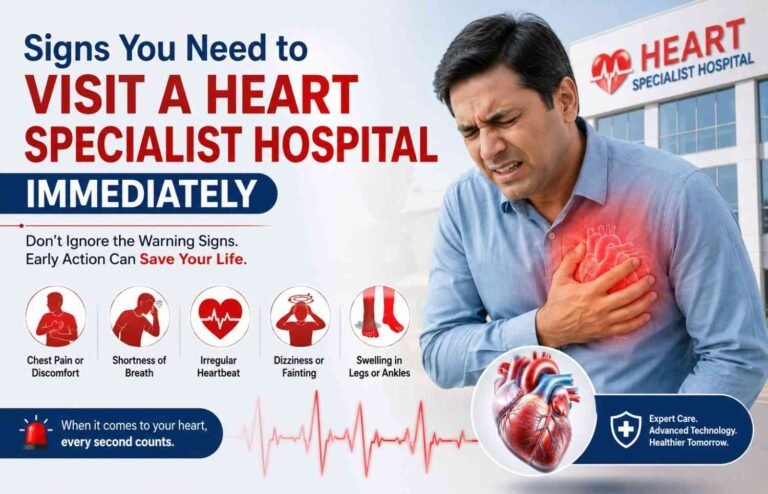
Warning Signs You Should Never Ignore
While prevention is essential, recognizing early warning signs can save lives.
Seek immediate medical attention if you experience:
- Chest discomfort or pressure
- Shortness of breath
- Pain in the arm, neck, jaw, or back
- Sudden dizziness
- Excessive sweating
- Irregular heartbeat
- Unexplained weakness
Early diagnosis often leads to better treatment outcomes.
Expert Guidance for Better Heart Health
Maintaining heart health is not about making drastic changes overnight. Instead, it involves adopting sustainable habits that support cardiovascular wellness over time.
Individuals looking for expert advice from the best cardiologist in Gorakhpur often prioritize preventive care, regular screenings, and lifestyle modifications. Consulting experienced specialists such as Dr. Deepak Verma can help patients understand their risk factors and develop personalized strategies for protecting their heart health.
Conclusion
A healthy heart is the foundation of a healthy life. By eating nutritious foods, staying active, managing stress, getting adequate sleep, and scheduling regular medical checkups, you can significantly reduce your risk of heart disease.
Remember, prevention is always better than treatment. Start making small, heart-friendly choices today and enjoy long-term benefits for your overall well-being. If you have concerns about your cardiovascular health, consulting a qualified heart doctor in Gorakhpur can provide valuable guidance and peace of mind. Taking proactive steps now can help ensure a stronger, healthier heart for years to come.
About the Author