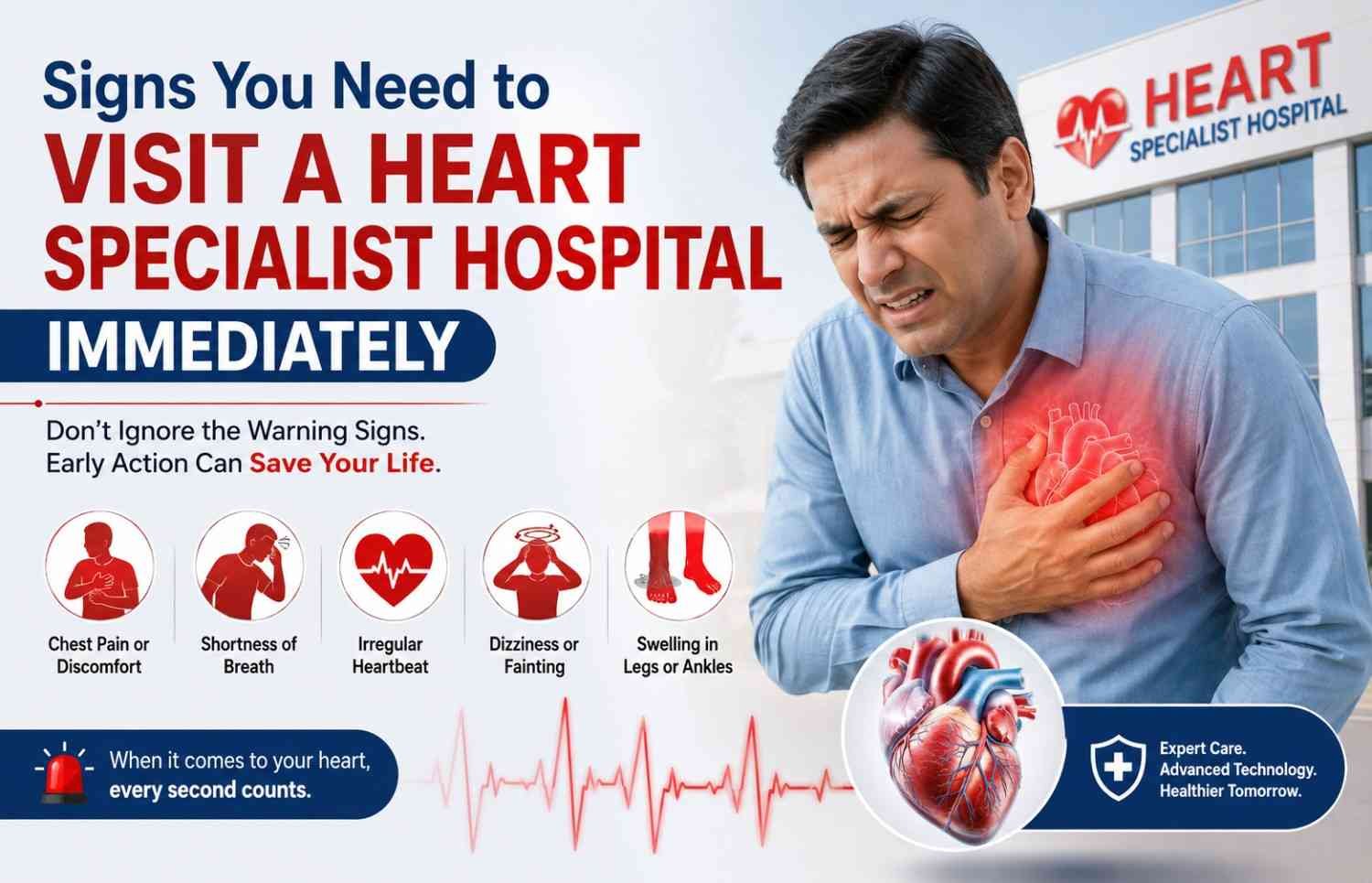
Heart disease remains one of the leading causes of death worldwide, and many serious cardiac conditions begin with warning signs that people often ignore. While occasional fatigue or mild chest discomfort may not always indicate a heart problem, certain symptoms should never be overlooked. Recognizing these signs early and seeking medical attention can help prevent life-threatening complications such as heart attacks, heart failure, or stroke.
If you experience any of the symptoms discussed below, it may be time to visit a heart specialist hospital in Gorakhpur or consult an experienced heart specialist in Gorakhpur without delay.
Why Early Heart Care Matters
The heart is responsible for pumping oxygen-rich blood throughout the body. When it does not function properly, every organ can be affected. Early diagnosis and treatment can significantly improve outcomes and reduce the risk of permanent damage.
Many heart conditions develop gradually, but some can become emergencies within minutes. Understanding the warning signs can help you make timely healthcare decisions.
1. Persistent Chest Pain or Discomfort
Chest pain is one of the most common warning signs of a heart problem. It may feel like pressure, squeezing, tightness, burning, or heaviness in the chest.
You should seek immediate medical attention if:
- The pain lasts more than a few minutes
- It comes and goes repeatedly
- It spreads to the arm, shoulder, neck, jaw, or back
- It occurs during physical activity or emotional stress
While chest pain can have several causes, it should never be ignored. A qualified heart specialist in Gorakhpur can determine whether the discomfort is related to coronary artery disease, angina, or an impending heart attack.
2. Shortness of Breath
Difficulty breathing without a clear reason can be a sign that your heart is not pumping efficiently.
Symptoms may include:
- Breathlessness during routine activities
- Difficulty climbing stairs
- Feeling out of breath while lying down
- Sudden episodes of severe breathing difficulty
Shortness of breath may indicate heart failure, blocked arteries, or valve disorders. Visiting a heart specialist hospital in Gorakhpur can help identify the underlying cause and provide timely treatment.
3. Irregular or Rapid Heartbeat
Everyone experiences occasional changes in heart rhythm. However, frequent episodes of racing, fluttering, or skipped heartbeats may signal an underlying heart condition.
Warning signs include:
- Palpitations that occur frequently
- Sudden rapid heartbeat
- Dizziness accompanying heart rhythm changes
- Episodes of fainting
These symptoms could indicate arrhythmias, which may increase the risk of stroke or cardiac arrest if left untreated.
4. Pain Spreading to Other Parts of the Body
Heart-related pain does not always stay in the chest. Many patients experience discomfort that radiates to other areas.
Common locations include:
- Left arm
- Both arms
- Neck
- Jaw
- Back
- Shoulders
This type of pain is particularly concerning when accompanied by sweating, nausea, or breathlessness. Immediate evaluation by a heart specialist in Gorakhpur can help prevent serious complications.
5. Excessive Fatigue
Feeling unusually tired despite adequate rest can sometimes indicate a heart problem.
You should be concerned if:
- Daily activities become exhausting
- Fatigue persists for weeks
- You feel weak without a clear explanation
- Tiredness worsens over time
Heart disease can reduce blood flow and oxygen delivery to the body’s tissues, leading to persistent exhaustion. Women, in particular, may experience fatigue as an early sign of heart disease.
6. Swelling in the Legs, Feet, or Ankles
Swelling, also known as edema, can occur when the heart is unable to pump blood effectively.
Signs include:
- Puffy ankles
- Swollen feet
- Tight-fitting shoes
- Unexplained weight gain
These symptoms often indicate heart failure or circulation problems. A comprehensive evaluation at a heart specialist hospital in Gorakhpur can help diagnose and manage the condition before it worsens.
7. Dizziness or Fainting
Frequent dizziness should never be ignored, especially when accompanied by other heart-related symptoms.
Seek medical attention if you experience:
- Sudden lightheadedness
- Fainting spells
- Loss of consciousness
- Feeling unstable while standing
These symptoms may result from abnormal heart rhythms, low blood pressure, or reduced blood flow to the brain.
8. High Blood Pressure That Remains Uncontrolled
High blood pressure is often called the “silent killer” because it can damage the heart without causing noticeable symptoms.
You should consult a cardiologist if:
- Your blood pressure remains consistently high
- Medications are not controlling it effectively
- You experience headaches, chest pain, or dizziness
Uncontrolled hypertension significantly increases the risk of heart attack, stroke, and kidney disease.
9. Excessive Sweating Without Physical Activity
Sudden cold sweats, especially when accompanied by chest pain or discomfort, may indicate a heart attack.
Warning signs include:
- Profuse sweating
- Clammy skin
- Nausea
- Chest pressure
Many people mistake these symptoms for indigestion or anxiety. Immediate medical evaluation can be life-saving.
10. Family History of Heart Disease
Even if you do not currently have symptoms, a strong family history of heart disease increases your risk.
Consider regular heart screenings if:
- Parents or siblings have heart disease
- There is a history of heart attacks at a young age
- Family members have high cholesterol or hypertension
Preventive care from a trusted heart specialist in Gorakhpur can help identify risk factors early and reduce future complications.
Additional Risk Factors You Should Not Ignore
Apart from symptoms, certain lifestyle and health factors increase the likelihood of heart disease:
- Smoking
- Diabetes
- Obesity
- High cholesterol
- Sedentary lifestyle
- Chronic stress
- Excessive alcohol consumption
If you have any of these risk factors, regular cardiac evaluations are strongly recommended.
When Should You Seek Emergency Care?
Call emergency medical services or visit the nearest emergency department immediately if you experience:
- Severe chest pain
- Sudden shortness of breath
- Loss of consciousness
- Sudden weakness on one side of the body
- Rapid or irregular heartbeat with dizziness
Quick action can significantly improve survival rates and reduce long-term heart damage.
Conclusion
Your heart sends warning signals when something is wrong, but many people dismiss these symptoms until they become severe. Persistent chest pain, shortness of breath, unexplained fatigue, dizziness, swelling in the legs, and irregular heartbeats should never be ignored.
If you notice any of these signs, seeking timely care from a reputable heart specialist hospital in Gorakhpur can make a critical difference. Early diagnosis, advanced cardiac testing, and expert treatment can help protect your heart health and improve your quality of life. Consulting an experienced heart specialist in Gorakhpur at the first sign of trouble is one of the most important steps you can take toward a healthier future.
About the Author